Do directory backlinks help SEO? Separate discovery from ranking promises
Directory backlinks can give people a route to your website, but a listing does not guarantee indexing or better search rankings. Google’s spam policies explicitly name low-quality directory links and buying links for ranking purposes as examples of link spam. Choose directories for relevant discovery and useful product information, not as a shortcut to a promised ranking.
What is a directory backlink?
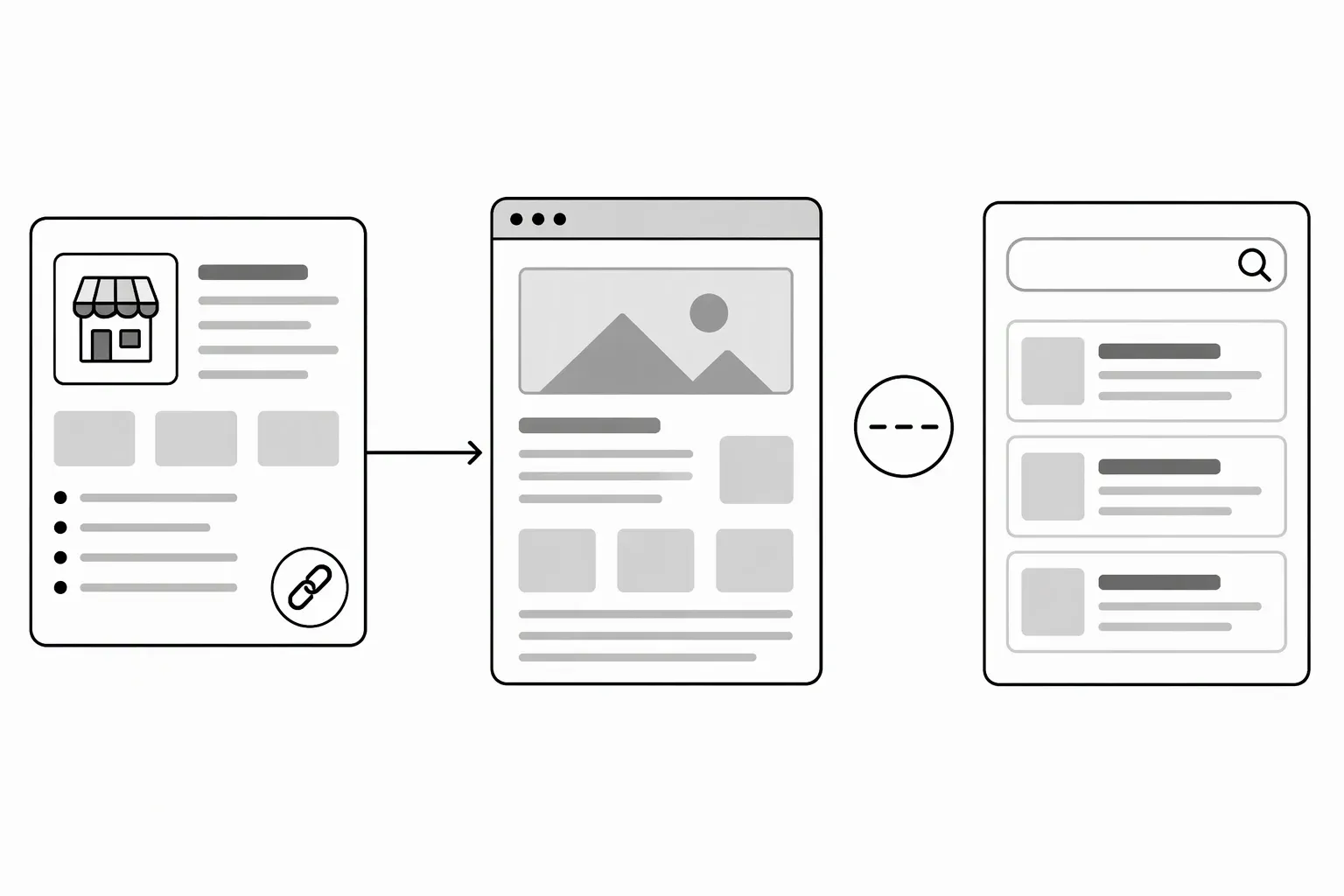
A directory backlink is a link from a directory’s product or business listing to another website. The link can help a visitor reach the listed product. Its existence alone does not establish how Google will crawl, index or evaluate either page.
Keep three questions separate:
| Question | What it tells you | What it does not prove |
|---|---|---|
| Does the published link work? | A visitor can reach your destination | Anyone has clicked it |
| Did relevant people visit? | The listing delivered some discovery | Google changed your rankings |
| Did search visibility change? | Search performance changed over a period | The directory caused that change |
A site can receive referral visits from a listing without a measurable ranking change. A ranking change can also happen while many other things on the site change.
What does Google say about directory links?
Google’s Search spam policies list “low-quality directory or bookmark site links” among link-spam examples. The same policy identifies buying or selling links for ranking purposes, automated link creation and excessive link exchanges as problematic practices.
Google also says advertising and sponsorship links are permitted when appropriately qualified with rel="nofollow" or rel="sponsored". Paying for a clearly defined promotion is different from buying a promise of ranking credit.
Do not interpret the policy as a statement that every directory is forbidden. The practical distinction is whether a listing provides useful information and discovery or primarily exists to manipulate rankings.
Check a directory as a potential visitor
Before submitting, browse several listings in the relevant category:
- Do descriptions explain real products and current availability?
- Are website destinations clear and working?
- Does the category have a sensible relationship to your product?
- Are sponsorship and editorial listings distinguishable?
- Can founders correct misleading or outdated information?
Skip offers whose central pitch is guaranteed ranking, mass links or compulsory reciprocal links. A large number of placements does not make irrelevant information useful. If a fee is involved, use the free-versus-paid listing comparison to identify what the payment actually buys.
Measure discovery without calling it SEO proof
Keep the published URL and check the destination. Use your own analytics to examine visits and meaningful actions where measurement is available. Treat small numbers as limited evidence, and keep team tests separate where practical. The directory referral tracking guide provides a recording template and published-link checks.
If you investigate search performance, record other site changes during the same period. Don't attribute a movement to a directory merely because the listing appeared first.
Submit for a clear product introduction
Use the submission checklist to prepare the product details and permission.
LaunchNest offers free manually reviewed listing requests for software products. Review is not a guarantee of acceptance, timing, visitors, sales or search ranking. If the page is unavailable, email your details and publication permission to launchnest@brainer.one.